
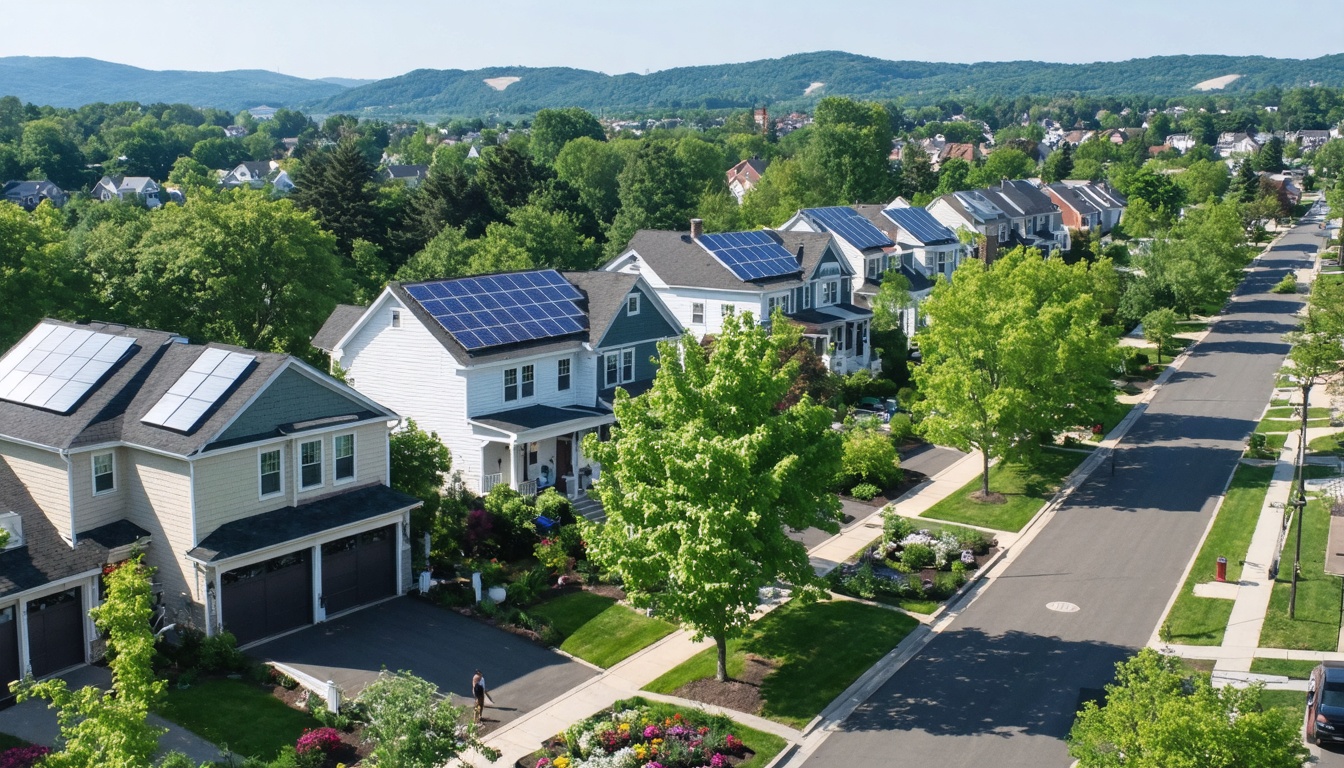
How Springfield, Massachusetts Homeowners Can Make the Most of Their Solar Potential
If you are considering solar energy for your home in Springfield, Massachusetts, there are several factors to evaluate to ensure you maximize your investment. Utilizing solar energy can lead to reduced utility bills and may increase your property value, alongside potential local incentives. However, achieving these benefits requires careful planning. Understanding your roof’s orientation and shading is essential, as these elements significantly affect the efficiency of solar panels. The system you choose should be tailored to your specific energy needs and local climate conditions. Additionally, researching financing options—such as power purchase agreements, solar loans, or cash purchases—will help determine the most economically viable method for your situation. Finally, familiarizing yourself with local and state incentives, including tax credits or rebates, can enhance your overall savings. By taking these factors into account, you can make more informed decisions regarding your solar investment and its anticipated returns.
Evaluating Solar Viability in Springfield
When evaluating the feasibility of solar energy for residences in Springfield, it is important to assess the sunlight exposure that properties receive. Springfield averages approximately 4.5 peak sun hours per day, which indicates a reasonable potential for solar energy production.
To ascertain potential solar savings, homeowners can consult with qualified residential solar installers who will examine roof conditions and design a customized solar panel system. For more localized expertise, consider visiting https://solarpanelsspringfieldma.com/ to explore tailored solar solutions in Springfield. This assessment can help homeowners lower electricity costs and reduce reliance on the power grid.
Utilities, such as Eversource, offer programs like Net Metering, allowing homeowners to receive credits for surplus energy produced by their solar systems. Homeowners in Massachusetts may also have access to various local incentives and financing options that can improve the economic viability of solar installations.
Many installation companies provide warranties on their workmanship, which can offer reassurance regarding the quality of the installation.
In conclusion, the combination of sufficient sunlight exposure, available financial incentives, and professional expertise supports solar energy as a viable option for homeowners in Springfield.
Understanding the Costs of Residential Solar
Understanding the costs associated with residential solar systems is vital for making informed investment decisions. In Springfield, the average cost of solar panel systems is approximately $2.88 to $2.90 per watt, leading to total project costs close to $29,313 prior to accounting for any local incentives.
Massachusetts homeowners have access to several financial incentives that can help lower the overall costs of solar energy systems. These include federal tax credits, sales tax exemptions, and Net Metering arrangements facilitated by Eversource. Such incentives can contribute to reducing electricity expenses over time, making solar energy a more cost-effective option.
Reputable solar installation companies generally offer warranties on both workmanship and materials, which can provide peace of mind to homeowners. Additionally, many installers provide services such as system design, production analysis, and options for long-term maintenance.
Many systems are also compatible with energy storage solutions, such as home batteries, which can improve energy management and overall reliability.
Homeowners are encouraged to engage in careful planning regarding the installation of solar panels. This includes estimating potential energy savings accurately and ensuring that the solar system is configured for optimal performance throughout its operational lifetime.
Exploring Financing and Loan Options
If you are considering solar panels for your home in Springfield, there are several financing options that can assist with this transition to renewable energy. One such option is UMassFive My Solar Loan, which offers flexible terms designed specifically for homeowners in Massachusetts, with the aim of supporting residential solar projects.
Alternatively, solar leasing is provided by companies like LightReach. This option typically begins at around $141 per month, allowing homeowners to experience reduced electric bills without incurring significant upfront costs.
The average cost for solar panel installation is approximately $2.88 per watt. Moreover, implementing effective design improvements can enhance energy production.
Local installers in Springfield can provide guidance throughout the installation process, enabling homeowners to benefit from savings through net metering and other related incentives. This structured approach allows for a pragmatic integration of solar energy in residential settings while addressing financial considerations.
Key Incentives for Massachusetts Homeowners
In Springfield, Massachusetts, various incentives are available to enhance the adoption of solar energy among homeowners. One key component is the 15% state tax credit, which is capped at $1,000, applicable to the installation of residential solar panel systems. This credit aids in offsetting the initial investment required for solar installations. Moreover, solar equipment purchases are exempt from state sales tax, contributing to a reduction in upfront costs for homeowners.
Additionally, there is a 20-year property tax exemption for any increase in property value due to the installation of solar systems. This exemption promotes long-term financial stability for homeowners, ensuring that property taxes do not increase as a result of solar improvements.
The SMART 3.0 (Solar Massachusetts Renewable Target) program is another significant incentive, providing compensation for each kilowatt-hour (kWh) generated by solar installations. This framework supports the economic feasibility of investing in solar energy.
Local utilities, such as Eversource, also offer net metering options, which enable homeowners to receive credits on their electric bills for surplus electricity returned to the grid.
Local solar installers, who typically possess substantial experience and offer warranties on their work, play a critical role in the installation process. The combination of these financial incentives and the availability of skilled local services assists homeowners in making informed choices regarding the transition to solar energy, ultimately contributing to a more sustainable energy framework in the region.
Navigating Local Utility Rates and Net Metering
Electricity rates in Springfield consistently exceed the national average, making it essential for homeowners to understand local utility structures and the details of net metering. Eversource, the main utility provider in the area, has rates that can reach up to 36.7¢ per kWh. For this reason, the installation of solar panels presents a practical option for homeowners aiming to reduce electricity expenses.
By harnessing solar energy, these systems can decrease monthly utility bills and enable homeowners to send excess electricity back to the grid.
Under net metering agreements, homeowners are credited at the full retail rate for the surplus electricity they contribute to the grid. This arrangement is particularly advantageous for Massachusetts residents as it offers a clear method for evaluating potential savings.
It is advisable for homeowners to engage with established residential solar companies that ensure proper installation and maintenance by trained professionals. Many of these companies offer various financing options and include warranties that cover workmanship, aiming to provide reliable support throughout the operational life of the solar energy system.
Assessing System Performance and Production Potential
The performance of solar systems in Springfield's climate can be effectively assessed by analyzing local production potential and other relevant data. Springfield typically experiences an average of 4.5 peak sun hours per day, which is a standard metric used to estimate solar energy generation. Based on this, residential solar systems are projected to generate approximately 8,492 kWh annually, which can contribute to a reduction in household electric bills and lower dependency on the electrical grid.
The implementation of Net Metering with Eversource enables homeowners to receive credits for any excess electricity produced, thereby providing a financial incentive for residents in Massachusetts to invest in solar energy. Additionally, engaging in routine maintenance and ensuring adequate workmanship warranties can improve the durability and effectiveness of these systems over time.
Homeowners may also consider energy storage solutions, such as home batteries, which can enhance energy reliability by allowing for the storage of surplus energy generated during peak production times.
Local financial incentives and the likelihood of increasing electricity rates further reinforce the economic rationale for investing in solar technology. Overall, such investments can lead to meaningful savings for individual households while also contributing to broader environmental goals.
Selecting the Right Solar Installer
When selecting a solar installer in Springfield, it is essential to conduct a comprehensive assessment of several key factors to ensure a reliable investment.
Begin by comparing quotes from reputable companies, taking into account their experience with both residential and commercial projects. It is advisable to prioritize installers who offer customized solar panel systems tailored to your specific energy needs and provide a workmanship warranty, which can be advantageous for Massachusetts homeowners seeking to lower their energy expenses.
Moreover, it is important to inquire about local incentives and utility programs, such as Net Metering offered by Eversource. These programs can enhance the financial feasibility of your solar installation.
Additionally, confirming that the installer holds the necessary licenses and certifications to meet Western Massachusetts regulations is crucial.
Transparent pricing, typically expressed as a cost per Watt, should be a significant consideration, along with the availability of financing options and maintenance plans.
Evaluating these factors can contribute to reduced electricity bills and decreased dependence on grid energy, while also ensuring long-term stability and reliability. A meticulous selection process is fundamental to achieving a successful solar installation that effectively addresses both current and future energy consumption needs.
Comparing Equipment and Warranties
Selecting appropriate solar panels and inverters is a critical factor in optimizing system performance and ensuring the long-term viability of solar energy investments. For homeowners in Massachusetts, it is advisable to evaluate the efficiency ratings and warranty offerings of established installers or manufacturers. High-efficiency residential solar panels can effectively reduce electricity expenses by harnessing sunlight more efficiently, resulting in a higher kilowatt-hour (kWh) yield per square foot.
Additionally, it is prudent to investigate local incentives, net metering options available through Eversource, and energy storage solutions such as home batteries.
When evaluating warranties, homeowners should pay attention to the workmanship warranty, which typically ranges from ten to twenty-five years. This warranty can provide assurance against potential maintenance costs and other issues that may arise over time.
By selecting reputable brands with extensive experience in the industry, homeowners can enhance the likelihood that their solar projects will be managed effectively throughout the installation process. This method is intended to maximize energy generation and help maintain the integrity of the solar system over the long term.
Installation Process and Timeline
The solar installation process in Springfield, Massachusetts, follows a systematic approach once a homeowner selects an installer and completes the initial site evaluation.
Solar installation companies are responsible for managing various steps in the process, such as obtaining necessary permits, designing the solar panel system, and addressing any tree removal to maximize solar exposure.
Typically, the installation phase for residential solar systems can range from one to three days. This timeframe allows homeowners to resume their regular activities soon after the installation is completed.
After installation, the solar system generates electricity, which is subsequently connected to the grid by Eversource, pending a thorough inspection of the system.
To maintain the system's efficiency, ongoing maintenance and monitoring are generally included in the installation package. This service helps ensure that the solar system operates at optimum production levels, measured in kilowatt-hours (kWh).
Furthermore, the net metering arrangement enables homeowners to offset their electricity costs by providing credits for the energy contributed to the grid.
Residents of Massachusetts also have access to smart energy storage solutions and workmanship warranties.
These elements are designed to enhance the reliability and longevity of installed solar systems, thereby addressing practical energy needs while also considering the implications of a long-term investment in solar energy.
Long-Term Savings and Environmental Impact
The financial aspects of installing solar panels in Springfield warrant consideration, with lifetime savings per household averaging around $135,000.
Residential solar systems are capable of generating approximately 8,492 kWh annually. This production can lead to decreased electric bills and reduced dependence on the utility grid. Additionally, homeowners may benefit from Net Metering credits for any excess electricity contributed back to the grid.
In Massachusetts, there are several local incentives available, such as the SMART program and specific offerings from Eversource, which can further enhance potential savings. Consulting with experienced installers is recommended to ensure optimal installation and performance of the solar system.
Solar panel systems commonly include warranties that cover both maintenance and workmanship, providing added confidence to homeowners.
Additionally, the option of Home Battery Storage can enhance energy independence and reliability, supporting a more sustainable approach to energy use.
Overall, adopting solar energy represents a viable investment for homeowners, balancing both financial savings and positive environmental impact.
Conclusion
To make informed decisions regarding solar energy in Springfield, Massachusetts, homeowners should assess their property’s solar potential, explore financing options, and utilize available state incentives. Conducting thorough comparisons of different solar installers, equipment options, and warranties is critical for ensuring quality and reliability. Regular maintenance of solar systems, along with effective energy management practices, can help maximize the return on investment. In Springfield, implementing these steps can lead to a reduction in energy costs while also supporting broader environmental goals. By transitioning to solar energy, homeowners may reduce dependence on traditional energy sources, thereby contributing to a more sustainable energy landscape for the local community.